Helaas, deze cursus is verlopen
Gerelateerde cursussen
E-learning palliatieve zorg voor mensen met de ziekte van Parkinson
E-learning palliatieve zorg voor mensen met de ziekte van Parkinson
E-learning: Echografie bij (acute) laterale enkelklachten
E-learning: Echografie bij (acute) laterale enkelklachten
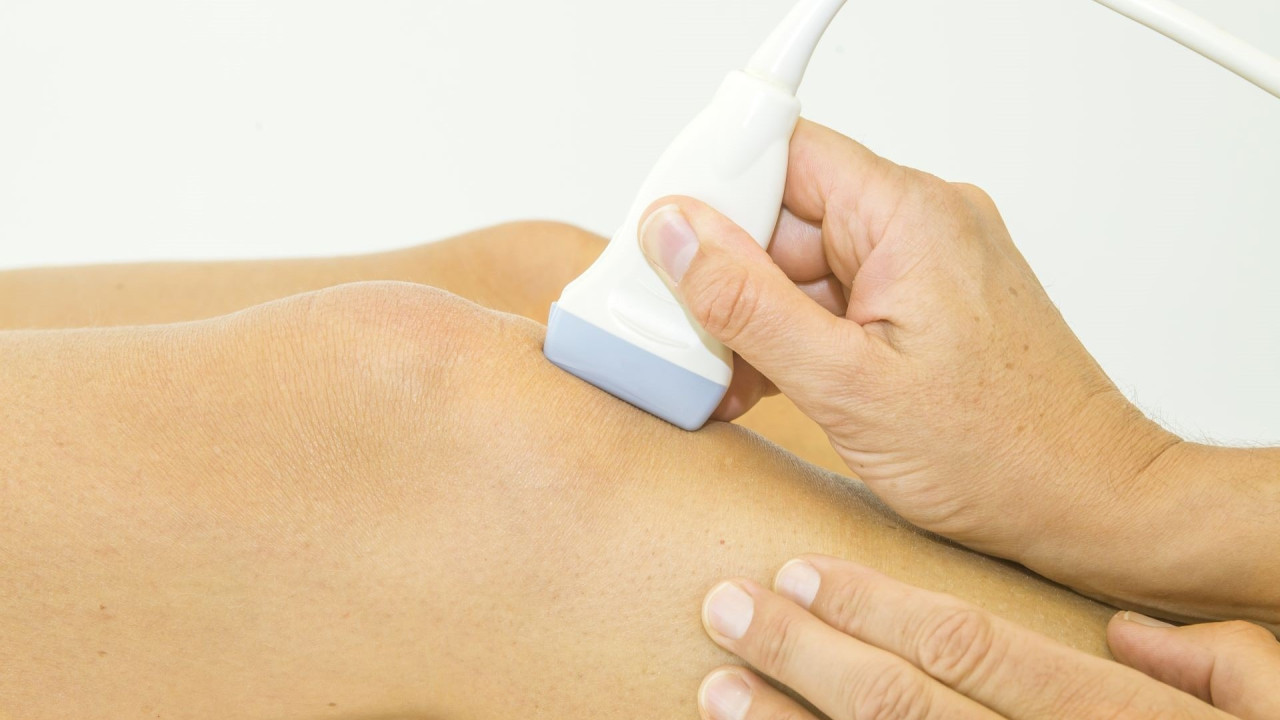
Echografie Muskuloskeletaal
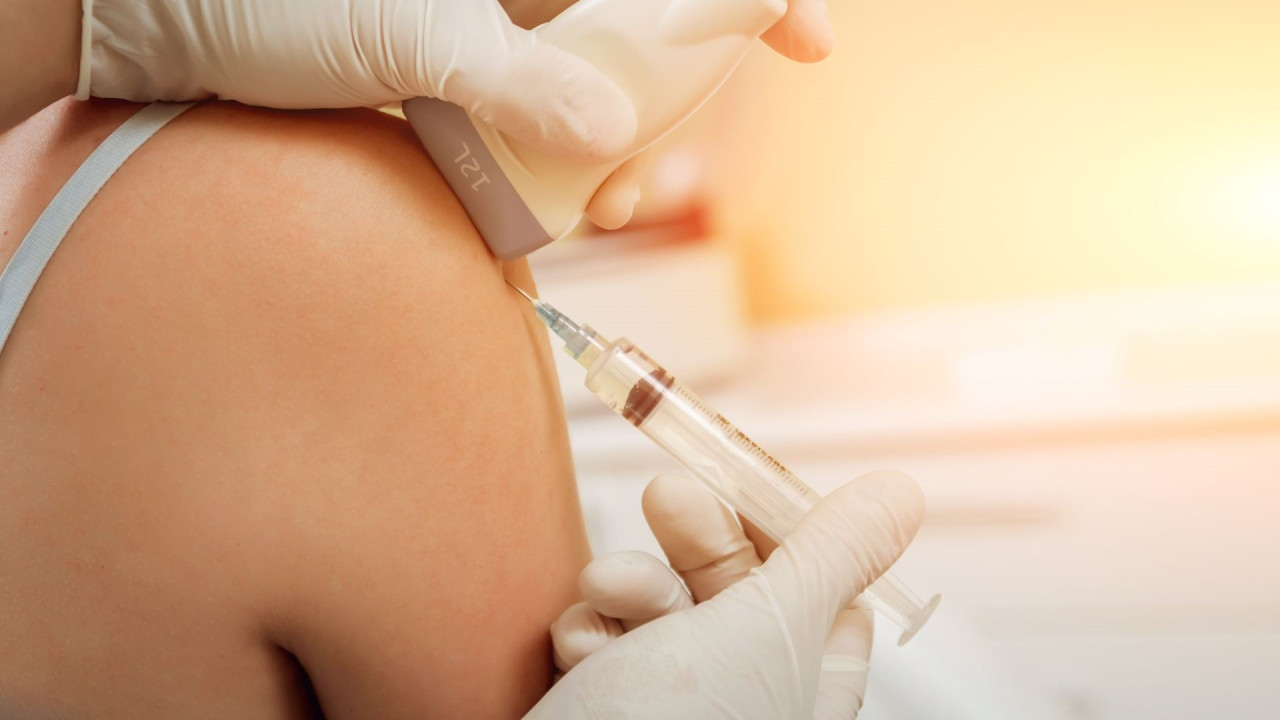
Dry needling - Top 30 Muscles (basic course)
Denkfysio
Dry needling - Top 30 Muscles (basic course)
Fysieke cursus - serieThis three-day introductory course covers the foundations of Dry Needling, myofascial pain syndrome, trigger points and the clinical highlights of dry needling. It is a hands-on course. Participants practice Dry Needling of the Top 30 muscles under consistent supervision with each other.
Omschrijving scholing
Program Day 1
- Introduction
- Basics of Dry Needling:
Clinical diagnostic criteria and aetiology of MTrP’s, definitions of terms, historical aspects.
Indications, contraindications and possible side effects of Dry Needling.
Theoretical and practical basics of Dry Needling, hygiene, forms of Dry Needling, mechanisms and effects of Dry Needling, practice of safe Dry Needling Treatment strategies.
- Theory and practical exercises: Anatomy in vivo and treatment techniques of the shoulder
Program Day 2
- Overview of research in the field of the Myofascial Pain Syndrome
- Treatment management and practical examples
- Theory and practical exercises: Anatomy in vivo and treatment techniques of the shoulder and neck, the upper extremities and the trunk
Program Day 3
- Questions, answers, practical examples and clinical implementations
- Theory and practical exercises:
- Anatomy in vivo and treatment techniques of the head and trunk and the lower extremities
Sprekers
Johnson McEvoy is a Chartered Physiotherapist in private practice in Ireland. He graduated with a BSc in physiotherapy in 1993 from Trinity College Dublin and subsequently worked in the USA for four years. He holds a masters degree in sports physiotherapy (2004) and a doctorate from the University of St Augustine in Florida (2008). He works as head physiotherapist with Irish Amateur Boxing since 2003 and was an accredited Olympic Physiotherapist in Athens in 2004. He has a keen interest in myofascial pain and dry needling and tends to have a multimodal approach to patient care. In Ireland since 2004 he has trained over 500 physiotherapists in trigger point palpation and has recently co-authored a chapter reviewing trigger point reliability studies (2009). He is an instructor with the DGSA and has taught dry needling in Ireland since 2006.

In de fysiotherapie bestaat er niet zoiets als één waarheid. Het is een uitdaging om te blijven leren. Om ons vak goed uit te voeren zoeken wij, als Denkfysio, verder dan de gebaande paden. We bestuderen de nieuwste ontdekkingen wereldwijd en bevragen de huidige aanpak. Zo houden jij en ik elkaar scherp en investeren we samen in de toekomst van ons vak zowel online (via artikelen, webinars en vak inhoudelijke discussies) als offline (via events, scholing en trainingen).
Sprekers
Johnson McEvoy is a Chartered Physiotherapist in private practice in Ireland. He graduated with a BSc in physiotherapy in 1993 from Trinity College Dublin and subsequently worked in the USA for four years. He holds a masters degree in sports physiotherapy (2004) and a doctorate from the University of St Augustine in Florida (2008). He works as head physiotherapist with Irish Amateur Boxing since 2003 and was an accredited Olympic Physiotherapist in Athens in 2004. He has a keen interest in myofascial pain and dry needling and tends to have a multimodal approach to patient care. In Ireland since 2004 he has trained over 500 physiotherapists in trigger point palpation and has recently co-authored a chapter reviewing trigger point reliability studies (2009). He is an instructor with the DGSA and has taught dry needling in Ireland since 2006.
In de fysiotherapie bestaat er niet zoiets als één waarheid. Het is een uitdaging om te blijven leren. Om ons vak goed uit te voeren zoeken wij, als Denkfysio, verder dan de gebaande paden. We bestuderen de nieuwste ontdekkingen wereldwijd en bevragen de huidige aanpak. Zo houden jij en ik elkaar scherp en investeren we samen in de toekomst van ons vak zowel online (via artikelen, webinars en vak inhoudelijke discussies) als offline (via events, scholing en trainingen).